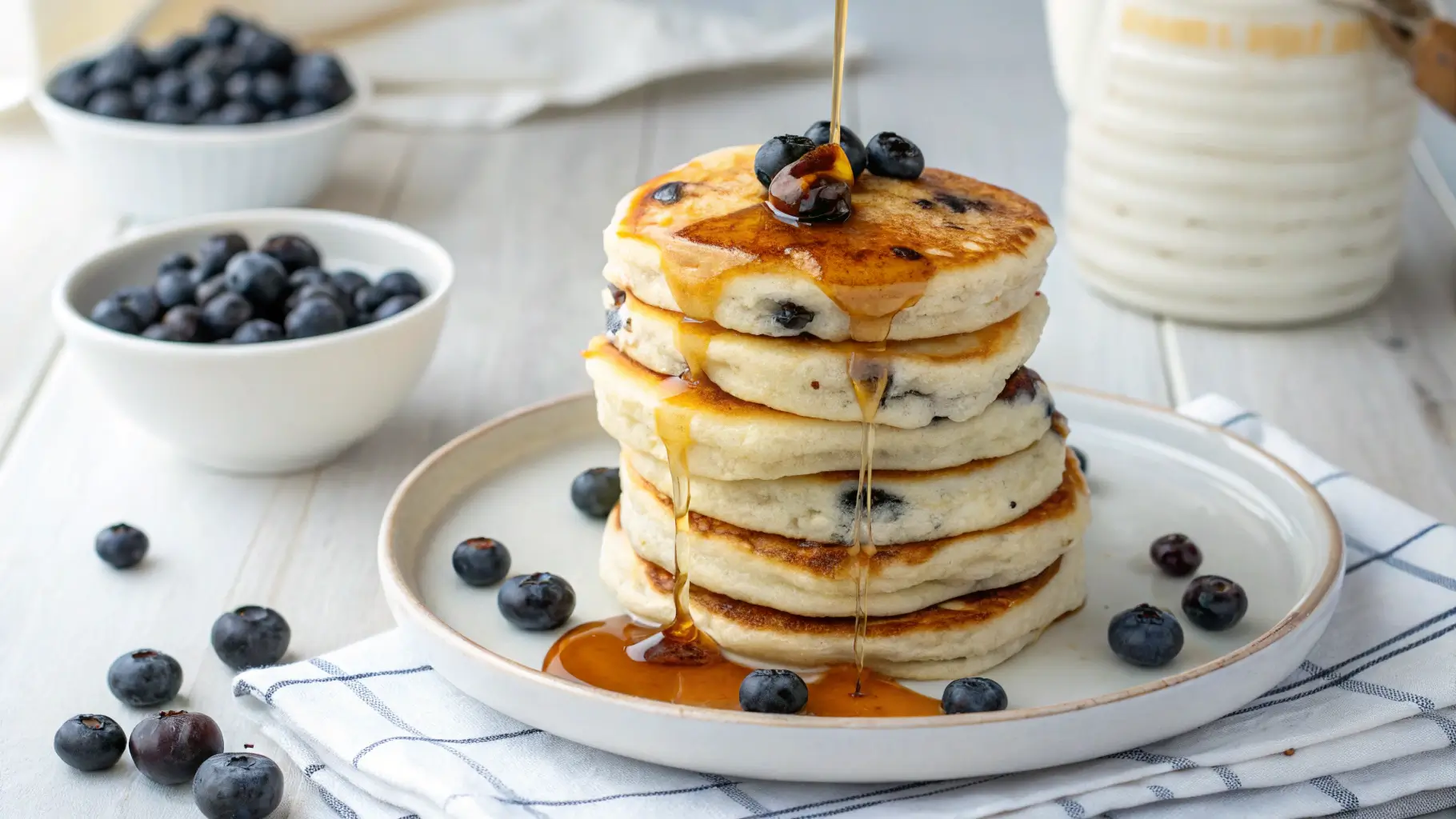
Unlock the Secret to Amazingly Fluffy Buttermilk Pancakes
Imagine waking up to the aroma of freshly cooked pancakes, golden-brown with slightly crispy edges, bursting with juicy blueberries, and possessing an unbelievably light and tender interior. This isn't just a dream; it's the reality you can create with the right approach to making perfect fluffy buttermilk blueberry pancakes. While countless recipes promise perfection, the true secret lies in understanding the magic of a few key ingredients and techniques, especially the star player: buttermilk.
For many, the quest for that quintessential diner-style pancake experience at home began after a memorable stack from an iconic breakfast spot. Over the years, countless home cooks have perfected their own versions, drawing inspiration from time-tested recipes. When summer arrives and berries are abundant, or even when you just crave a taste of sunshine, there's nothing quite like a batch of homemade blueberry buttermilk pancakes to brighten your morning. Their irresistible combination of tangy sweetness, a hint of juicy fruit, and that coveted fluffy texture makes them the ultimate weekend breakfast.
The Magic of Buttermilk: Why It's Non-Negotiable for Fluffy Pancakes
So, what exactly makes buttermilk such a game-changer in the world of pancakes? It's far more than just a liquid; it's a scientific marvel that contributes to both flavor and texture in profound ways. First and foremost, buttermilk imparts a distinctive, subtle tang that adds depth and complexity to the pancakes, a flavor profile that's incredibly difficult to replicate with ordinary milk. This tangy note cuts through the sweetness, creating a perfectly balanced bite.
Beyond flavor, buttermilk is the unsung hero for achieving that ethereal fluffiness we all crave. Its inherent acidity plays a crucial role. When buttermilk comes into contact with baking soda – a powerful leavening agent – a chemical reaction occurs. This reaction produces carbon dioxide gas, which gets trapped within the pancake batter, creating tiny air pockets. As the pancakes cook, these pockets expand, resulting in an incredibly light, airy, and tender crumb. Without this acidic interaction, pancakes can fall flat, becoming dense and heavy. Furthermore, the moisture content in buttermilk contributes significantly to the tenderness of the pancake, ensuring they remain moist and never dry. It's this dynamic duo of buttermilk and baking soda that truly unlocks the secret to perfectly risen, soft, and utterly delectable classic old-fashioned blueberry buttermilk pancake recipe.
Essential Ingredients for Pancake Perfection
Crafting incredible blueberry buttermilk pancakes doesn't require exotic ingredients, but understanding the role of each component is vital. Think of it as your grandma's wisdom, refined for the modern kitchen:
- All-Purpose Flour: The backbone of your pancake structure. It provides the necessary gluten for a soft yet stable texture. While specialty flours exist, all-purpose is ideal for that classic, soft fluff.
- Sugar: A touch of granulated sugar sweetens the batter just enough and, more importantly, aids in the caramelization process, giving your pancakes those beautiful golden-brown edges.
- Leavening Agents (Baking Powder & Baking Soda): These are your rising stars. Baking powder provides an initial lift, while baking soda reacts specifically with the buttermilk's acidity for that extra boost of fluffiness. Using an aluminum-free baking powder can help avoid any metallic aftertaste.
- Salt: Don't skip the salt! A small amount enhances all the other flavors, bringing balance and depth to your pancake batter.
- Buttermilk: As discussed, the superstar. Essential for both flavor and texture. If you're ever in a pinch without real buttermilk, you can approximate it by adding a tablespoon of lemon juice or white vinegar to regular milk and letting it sit for 5-10 minutes until it slightly curdles – though for true perfection, real buttermilk is best.
- Eggs: Eggs act as a binder, holding all the ingredients together, and contribute to the richness and lift of the pancakes. They add structure and moisture, making them an indispensable ingredient.
- Unsalted Butter (Melted): Adds incredible flavor and moisture to the batter itself. Using unsalted butter allows you to control the overall salt content of your recipe. If you only have salted butter, simply omit the added salt from the dry ingredients.
- Fresh or Frozen Blueberries: The delightful star of these pancakes! Both fresh and frozen blueberries work beautifully. There's no need to thaw frozen blueberries; simply fold them directly into the batter. They'll release their juices and burst with flavor as they cook.
- Vegetable Oil (for cooking): This is a crucial, often overlooked ingredient for achieving that perfect golden exterior. Unlike butter, which can burn quickly at high temperatures and leave dark spots, a neutral oil like vegetable, canola, or grapeseed oil provides even heat and a consistent, beautiful finish. While you *can* use butter or cooking spray, know that the appearance and evenness of your pancake's exterior will differ significantly.
Crafting the Ideal Batter: Tips for Success
Making the perfect pancake batter is a delicate dance between mixing enough and knowing when to stop. Here’s how to get it right:
- Separate Dry and Wet: Always begin by whisking together all the dry ingredients (flour, sugar, baking powder, baking soda, salt) in a large bowl. In a separate bowl, whisk the wet ingredients (buttermilk, eggs, melted butter) until well combined. This ensures even distribution of the leavening agents and prevents overmixing.
- Combine Gently: Create a well in the center of your dry ingredients and pour in the wet mixture. Using a whisk or spatula, mix until just combined. The key here is to avoid overmixing. Lumps are your friend! A slightly lumpy batter is perfect; overmixing develops the gluten in the flour too much, leading to tough, rubbery pancakes instead of light, fluffy ones.
- Timing the Blueberries: Wait to add your blueberries until the very end. Gently fold them into the batter with just a few strokes. This prevents them from breaking down too much or coloring the entire batter purple.
- The Optional Rest: While not strictly necessary for buttermilk pancakes due to the immediate reaction of baking soda, allowing the batter to rest for 5-10 minutes can further hydrate the flour and relax the gluten, potentially leading to an even more tender pancake.
Flipping to Fluffy: The Art of Cooking Pancakes
The cooking process is where your perfectly crafted batter transforms into golden discs of deliciousness. Heat control is paramount:
- Preheat Your Surface: Whether you're using a griddle or a frying pan, always get it hot *before* adding any oil or batter. Medium heat is typically ideal. A good test: flick a few drops of water onto the surface; if they sizzle and evaporate immediately, it's ready.
- Grease Lightly: Lightly brush or wipe your hot cooking surface with a thin layer of vegetable oil. You want just enough to prevent sticking, not so much that the pancakes fry in it.
- Portioning: Use a 1/4 cup or 1/3 cup measure for consistently sized pancakes. Pour the batter onto the hot, oiled surface, leaving enough space between them for easy flipping.
- Watch for Bubbles: Cook for approximately 2-3 minutes per side. The first side is ready to flip when you see bubbles forming on the surface of the pancake and the edges begin to set and look dry. The underside should be a beautiful golden brown.
- Flip Once: Resist the urge to press down on the pancakes with your spatula or flip them multiple times. A single, confident flip is all you need. Cook for another 1-2 minutes on the second side until golden brown and cooked through.
- Keep Warm: Since you'll likely be cooking in batches, keep finished pancakes warm. You can place them on a baking sheet in a low oven (around 200°F / 95°C) or use a pancake warmer while you finish the rest of the batch.
Beyond the Basics: Troubleshooting and Serving Suggestions
Even seasoned pancake makers can face challenges. Here are a few common issues and their solutions:
- Burnt Outside, Raw Inside: Your pan is too hot! Reduce the heat to medium-low and ensure even cooking. These pancakes cook best at a moderate temperature.
- Flat Pancakes: This could be due to old leavening agents (check expiration dates!), overmixing the batter, or not using enough buttermilk to activate the baking soda.
- Rubbery Pancakes: Almost always a sign of overmixing. Remember, lumps are good!
- Blueberries Sinking: Lightly tossing fresh blueberries in a tablespoon of flour before folding them into the batter can help suspend them more evenly. For frozen, this is less of an issue as they are heavier and tend to stay put.
Once your stack of fluffy blueberry buttermilk pancakes is ready, the fun truly begins! Serve them immediately, piled high and adorned with your favorite toppings. Classic choices include maple syrup, a dollop of whipped cream, extra fresh blueberries, or even a sprinkle of powdered sugar. For an extra touch of decadence, consider a berry compote or a drizzle of lemon curd. These pancakes are not just food; they're an experience, a delightful way to start any day.
Conclusion
Mastering the art of incredibly fluffy blueberry buttermilk pancakes is a truly rewarding culinary journey. By understanding the science behind buttermilk's magic, selecting quality ingredients, and employing precise techniques in both batter preparation and cooking, you can consistently achieve breakfast perfection. Say goodbye to dense, uninspired pancakes and hello to light, airy stacks bursting with juicy blueberries. So go ahead, unlock the secret, and treat yourself and your loved ones to the ultimate homemade pancake experience.
